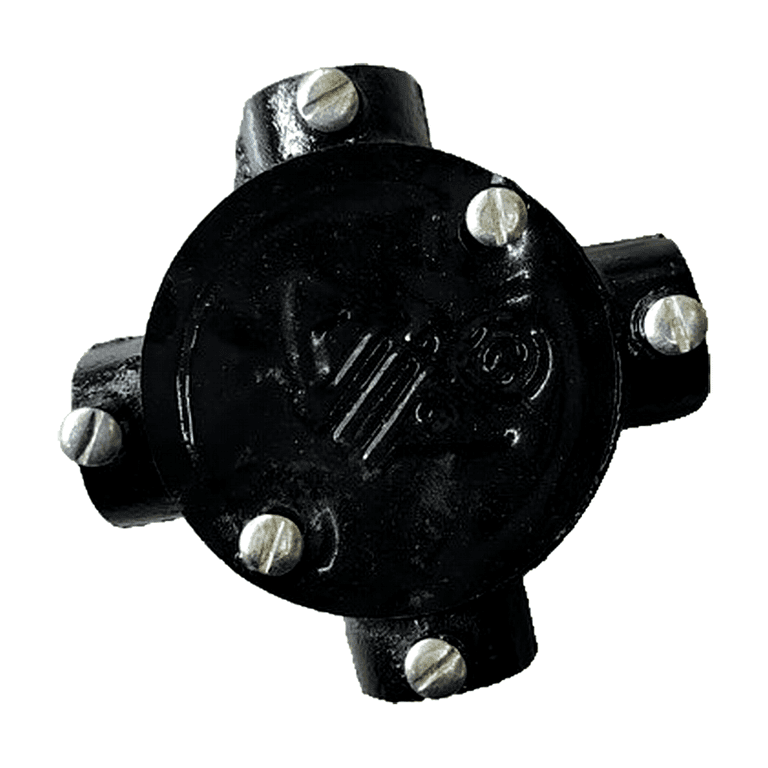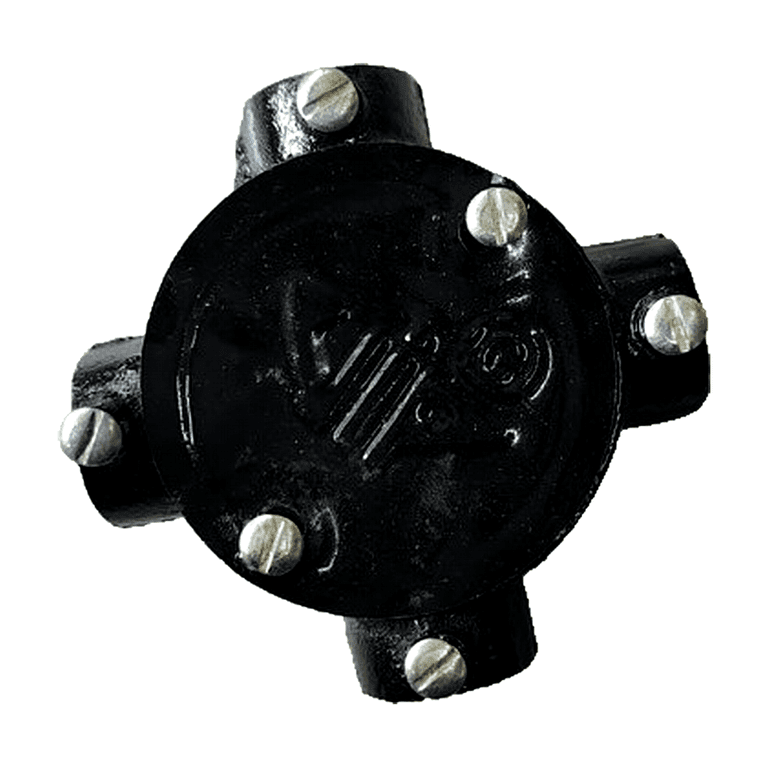



Conduit, Boxes & Fitings
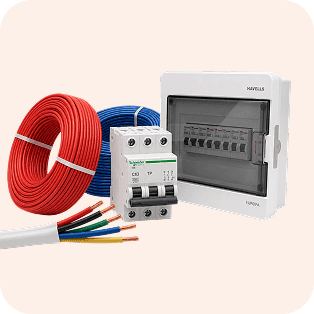 Wires & Cables
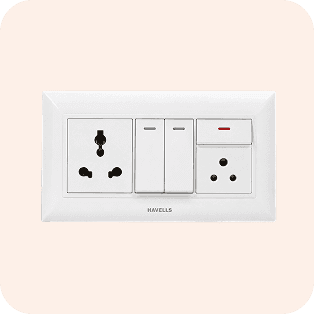 Switches & Sockets
 MCB, RCCB & DB
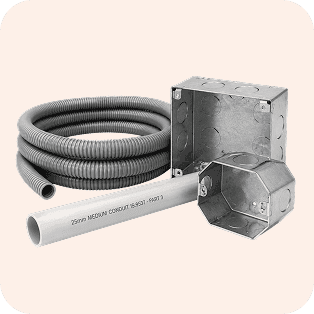 Conduits, Boxes & Fittings
 Plywood, MDF & HDHMR
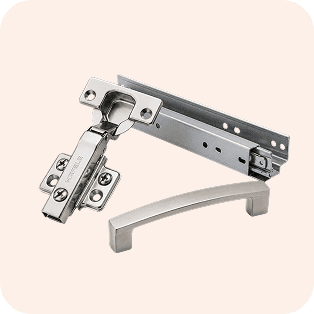 Hinges & Channels
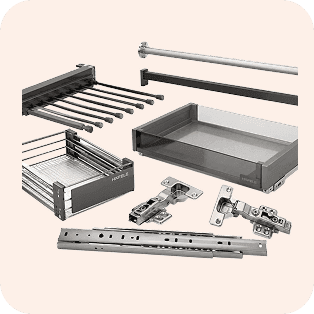 Kitchen & Wardrobe Hardware
 Door Hardware, Locks & Handles
 Fevicol & Sealants
 Tiling, Waterproofing & Cement
 False Ceiling
 Paints, Putty & Sundries
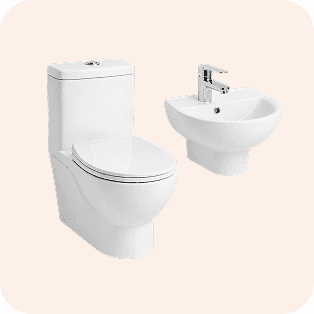 Sanitary & Bath Fittings
 Kitchen Sinks & Faucets
 Bath & Kitchen Accessories
 Plumbing Pipes, Fittings & Tanks
 Tools & Accessories
 Lighting
 Fans, Geysers & Invertors
 Bolts, Screws & Fasteners
Sub Categories

Free Delivery*
Earn Fixxly Coins
1 Fixxly Coin = ₹1

30-Min Delivery*





Conduit, Boxes & Fittings - Buy VIP PVC Conduit Pipe, Junction Boxes & Fittings Online
Conduit is the protective skeleton of a home electrical system. Every wire that runs safely inside a wall, ceiling or floor does so through conduit - the pipe that shields cables from damage, moisture and rodents, and makes it possible to rewire a home later without breaking open the plaster. At Fixxly, our conduit, boxes and fittings range is built on VIP - the complete concealed-wiring system: PVC conduit pipe in the common sizes, junction and mounting boxes, bends, couplers, clips and accessories. This guide explains what conduit does, the sizes and grades to use, and how a correctly built conduit system keeps a home safe and future-ready.
What is electrical conduit and why is it used?
A conduit is a pipe, usually rigid PVC in modern Indian homes, through which electrical wires are drawn and run. It does several critical jobs at once. It physically protects the cables from nails, drilling, impact and abrasion. It shields wiring from moisture and pests that would otherwise damage insulation. It contains any heat and helps prevent a fault from spreading. And, most usefully for the homeowner, it creates a permanent pathway so that wires can be pulled out and replaced years later without demolishing walls. Fixxly stocks the VIP range of PVC conduit, bends, couplers and junction boxes for exactly this system. This last benefit is why concealed conduit wiring is the standard for quality construction - the alternative, burying cables directly in plaster, makes future repairs destructive and expensive.
Conduit sizes and grades
PVC conduit comes in different diameters and wall thicknesses, and choosing correctly ensures the wires fit comfortably and stay protected.
- Diameter: common sizes are 20 mm and 25 mm for household circuits, with larger sizes for heavy or bundled runs. The conduit must be large enough that wires can be drawn in and out without jamming. VIP stocks conduit and matching bends across both sizes.
- Grade: light, medium and heavy-duty conduit differ in wall thickness and impact resistance. Heavier grades are used where the conduit faces more mechanical stress, such as in floors or exposed runs.
- Rigid versus flexible: rigid conduit is used for straight concealed runs, while flexible conduit handles tight bends and final connections to fittings.
Boxes and fittings: the rest of the system
Conduit alone is only part of the system - the boxes and fittings are what make it usable.
Junction boxes
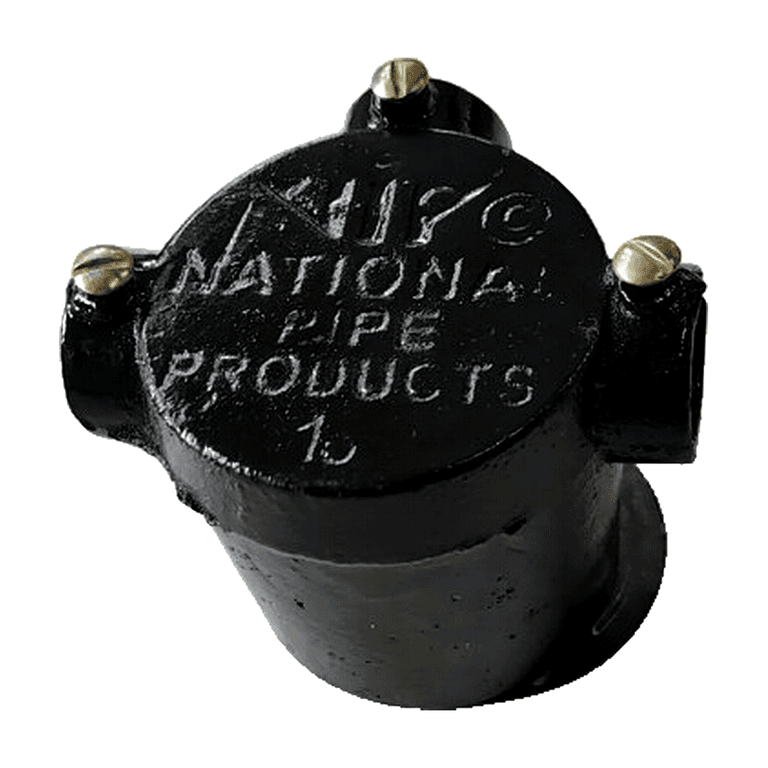
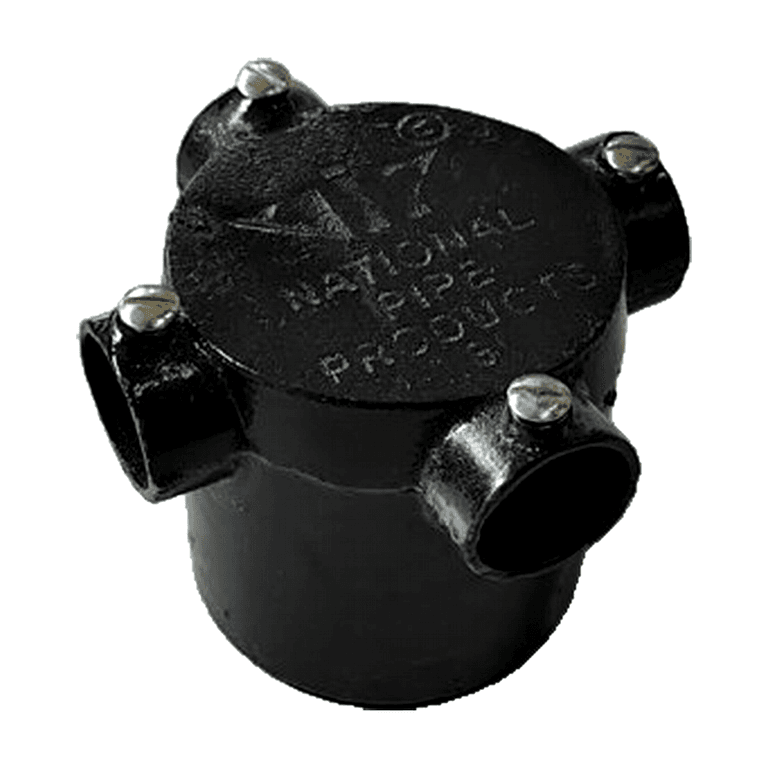
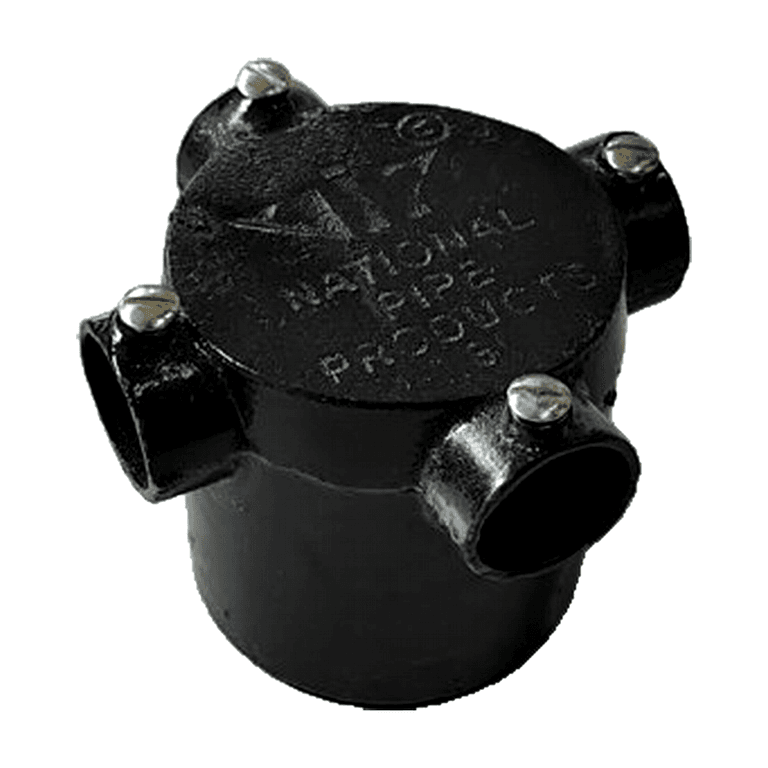
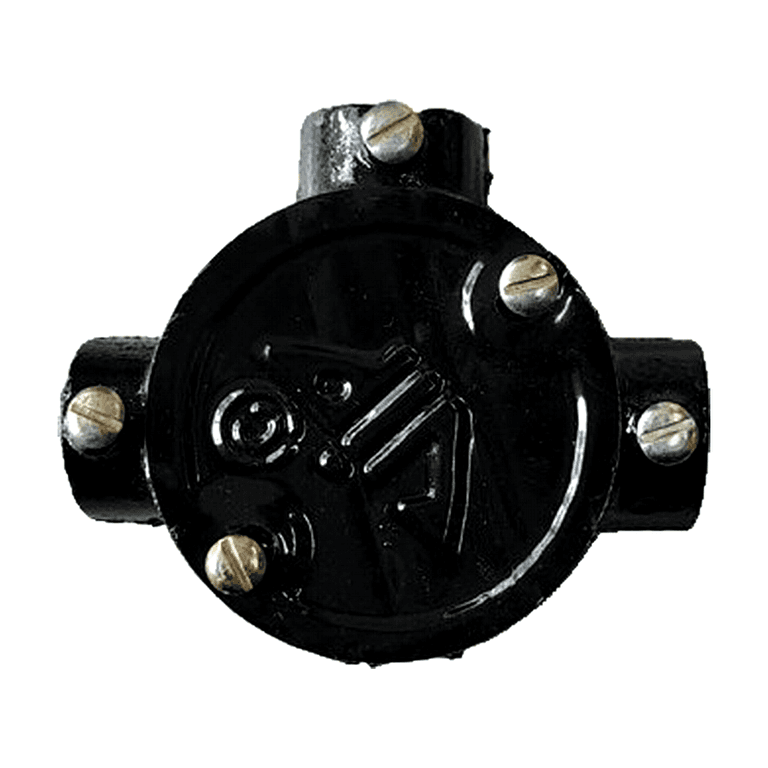
A junction box is an enclosure where wires are joined or branched, keeping connections protected and accessible. VIP's PVC junction boxes come in multiple sizes and way-configurations. Every place cables meet needs a box, both for safety and so joints can be reached later.
Mounting and switch boxes
These boxes sit behind switches, sockets and fittings, housing the wiring and providing a solid base to mount the plate. They come in sizes matched to modular switch plates.
Bends, couplers and clips
VIP PVC bends turn conduit around corners without kinking, couplers join lengths, and clips or saddles fix the conduit firmly to the surface. These small fittings are what turn loose pipe into a neat, secure network.
Concealed versus surface conduit: choosing the right approach
Conduit wiring is done in two broad ways, and knowing the difference helps plan an installation. Concealed conduit is embedded within the walls and ceiling before plastering, so the finished surfaces are clean and the wiring is completely hidden - this is the standard for homes and quality interiors. Surface conduit runs on the face of the wall, clipped in place, and is used where chasing into the wall is impractical. VIP's surface-mount conduit and clips suit rewiring existing buildings and utility spaces.
Why Fixxly for conduit, boxes and fittings
Fixxly is a single platform for an entire renovation, and conduit, boxes and fittings are one part of an electrical range that sits within ten full categories covering every trade a home touches. Every product in this range is genuine VIP: on Fixxly you can buy the conduit, junction and mounting boxes, and the wires, switches and protection devices that go with them in one order, delivered in 30 minutes.
| Fixxly | Others | |
|---|---|---|
| Brand assurance | Genuine VIP conduit, boxes and fittings, verified materials | Authenticity harder to verify, especially online |
| Delivery speed | 30-minute quick delivery | Same-day if in stock locally, otherwise 1-5 days |
| Complete system in one order | Conduit, junction and mounting boxes, bends and couplers together | Usually needs multiple shops or sellers to gather a matched system |
| Returns on a bad fitting | Straightforward replacement policy | Policies vary, and can be slow for small parts |
Why the box matters as much as the conduit
It is easy to focus on the conduit and treat boxes as an afterthought, but the boxes are where the electrical system is actually connected and maintained. VIP junction boxes protect and enclose the points where wires join or branch, keeping those connections safe and, crucially, accessible for future repairs. Choosing sound boxes and placing them thoughtfully is what makes an installation both safe and serviceable.
Frequently asked questions about conduit, boxes and fittings
Does Fixxly stock genuine VIP conduit and fittings?
Yes - every conduit, box, bend and coupler in this range on Fixxly is genuine VIP, a well-established Indian manufacturer of PVC conduit systems. Buying the whole system from one manufacturer is what ensures the pipe, boxes and fittings fit together properly.
Can wires be replaced later in concealed conduit?
Yes - this is one of the main reasons concealed conduit is used. Because the wires run inside a continuous pipe rather than being buried directly in plaster, old cables can be pulled out and new ones drawn in without breaking open the walls, provided the conduit was correctly sized and not overcrowded.
What size conduit is used for domestic wiring?
Household circuits commonly use 20 mm or 25 mm VIP PVC conduit, with larger sizes for heavy or bundled runs, sized so the wires can be drawn in and out without jamming.
What is a junction box used for?
A junction box is an enclosure where wires are joined or branched, keeping the connections protected and accessible. Placing VIP junction boxes wherever cables meet ensures joints stay safe and can be reached for future repairs.
Can I have too many bends in a conduit run?
Yes. Too many tight bends in a single run make it very difficult to pull wires through, so runs should minimise sharp bends and use junction boxes to break up long or complex paths.
Explore other categories
Wiring is one layer of a finished home, and Fixxly carries every category around it. Complete the electricals with wires and cables, switches, sockets and plates, MCB and DBs and water heaters. Light and cool the rooms with LED bulbs, ceiling lights and ceiling fans and exhaust. Then finish with interior paints, build furniture from plywood, and handle plumbing with CPVC pipes and fittings. Everything a home needs is a click away on Fixxly.

Built to support
every job,
big or small
FIXXLY